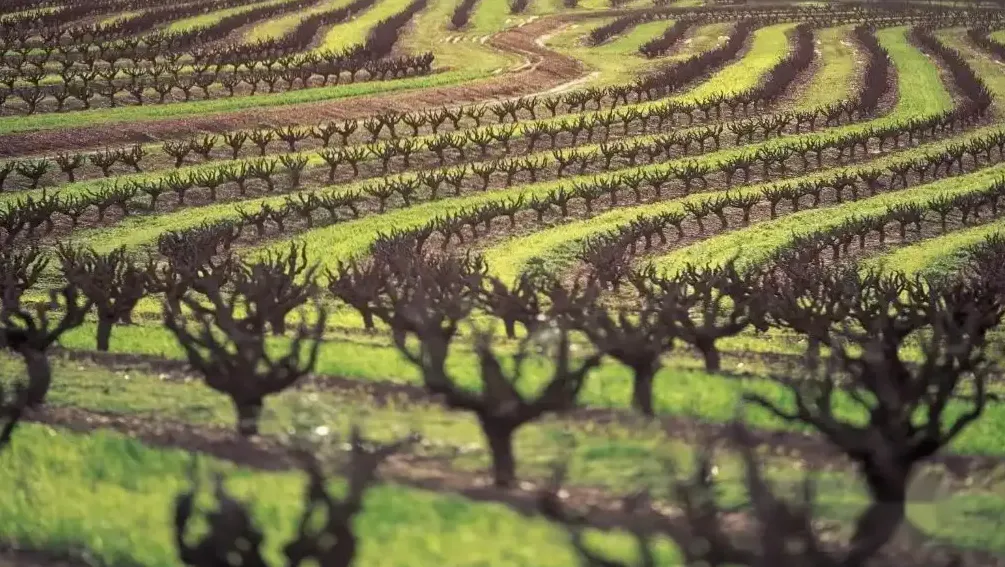
Why the Barossa punches above its size
The valley holds some of the oldest vines on earth — ungrafted shiraz planted in the 1840s that still produces fruit for its most famous labels. The scale is intimate: a hundred and fifty producers in a valley you can cross in twenty minutes, most still family-run, many pouring wines that never leave the cellar door. For a wine day from a city hotel, nothing in Australia is easier.
The house circuit, hour by hour
The signature day leaves at 9:30 am. First, Seppeltsfield Road — a kilometre of date palms planted in the 1920s — then three or four cellar doors sequenced to your palate: a heritage estate for structure, a small producer for discovery, a fortified specialist for the tawny you'd never order blind. Lunch is a vineyard table booked by the desk; Mengler Hill lookout closes the loop before the run home by 5:30.
How to taste like a professional
Cellar-door etiquette is simple: tastings are conversations, not shots — spit without apology (the bucket is the professional's friend), ask about the wine's least obvious detail, and buy what you actually liked rather than what seemed impressive. Your chauffeur keeps the esky cold; anything fragile ships home through the desk.
Beyond the valley
If the Barossa is booked out or you've done it, the desk runs two alternates: McLaren Vale for grenache and the coast at Port Willunga, and the Adelaide Hills for riesling, sparkling and the prettiest villages in the state. Both are the same forty-five minutes in different directions.